
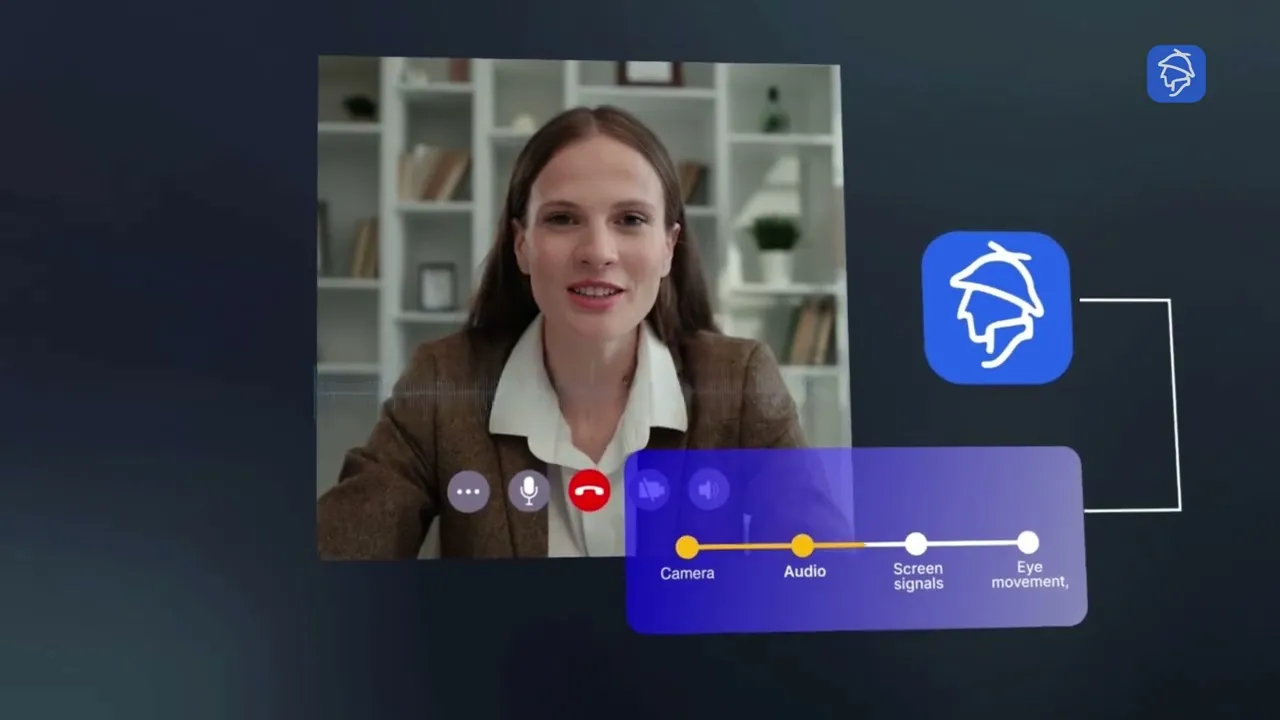
Back to all blogs
Discover how to secure outsourced remote hiring by preventing proxy interviews, fake candidates, AI-assisted cheating, and interview fraud with advanced hiring security methods.

Remote hiring has transformed global recruitment. Companies can now hire outsourced talent across countries, reduce operational costs, and scale teams faster than ever before. However, as remote hiring increases, so does interview cheating and candidate fraud.
Recruiters hiring for outsourced roles are facing a growing number of challenges including proxy interviews, AI-assisted cheating, fake identities, deepfake candidates, and unauthorized external help during interviews.
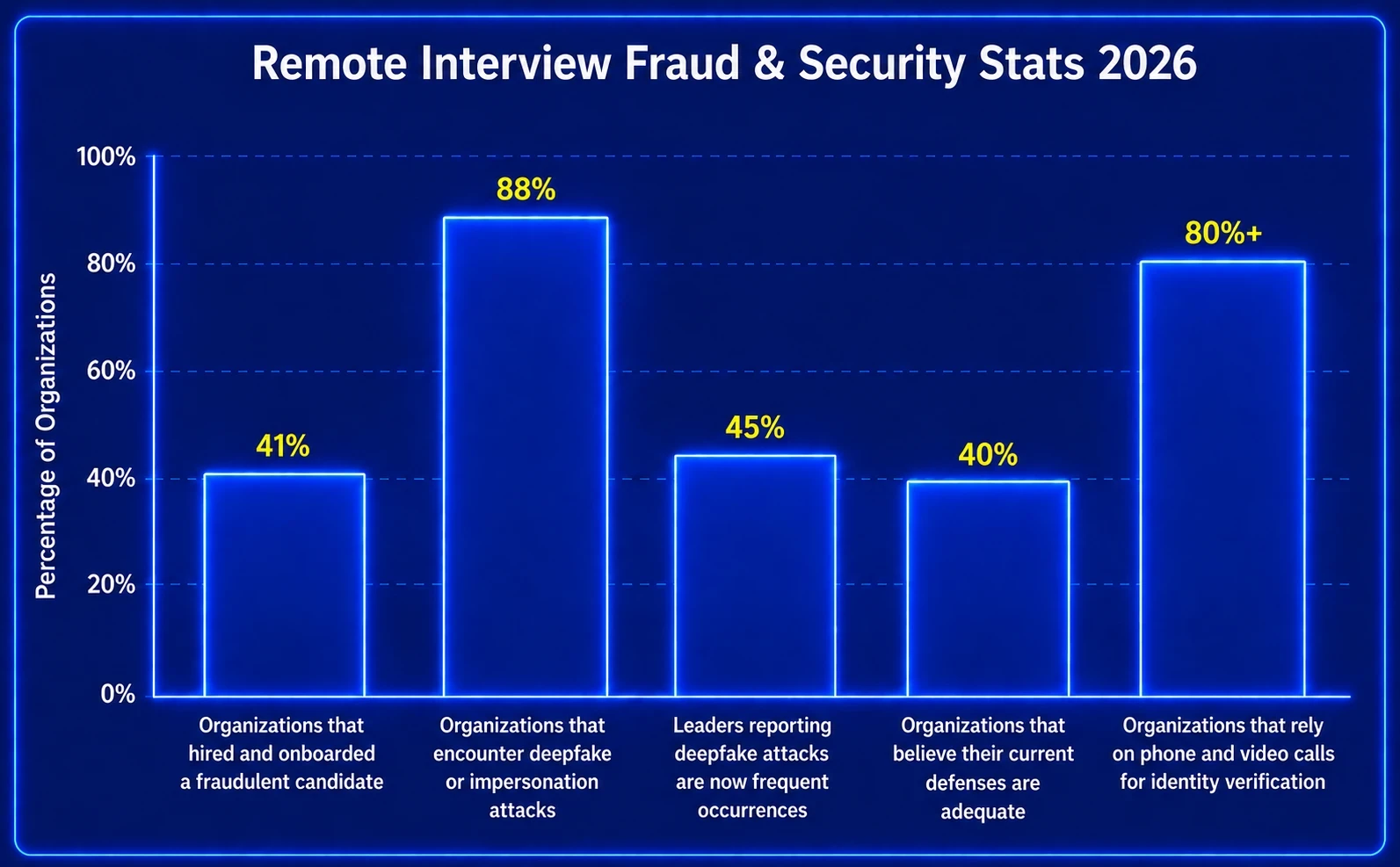
The problem is already impacting hiring teams worldwide. GetReal Security found that 41% of organizations have hired a fraudulent candidate without knowing it. Understanding the red flags, detection techniques, and prevention strategies covered here keeps fakes out of your pipeline. Outsourced hiring environments are particularly vulnerable because recruiters often interview candidates entirely online without physical verification. Fraudsters exploit remote workflows using AI-generated resumes, stolen LinkedIn profiles, hidden voice assistants, off-camera coaching, screen overlays, and impersonators attending interviews on behalf of actual applicants.
This creates serious business risks. Hiring fraudulent outsourced employees can lead to poor performance, compliance violations, intellectual property theft, cybersecurity threats, and financial losses. Large enterprises and technology companies are already reporting cases where fake remote workers gained access to sensitive systems using manipulated identities.
In this guide, we will explore the most common cheating methods used in remote interviews for outsourced roles and explain how businesses can prevent interview fraud using modern AI-powered hiring protection systems.
Why Cheating in Remote Interviews for Outsourced Roles Is Increasing
Remote hiring has made global recruitment faster and more accessible, especially for outsourced roles. However, it has also created new opportunities for interview fraud and candidate cheating.
Since recruiters often conduct the entire hiring process online, verifying candidate authenticity has become more challenging. Fraudsters now use advanced tools and techniques to manipulate virtual interviews and hiring assessments.
1. AI Tools Make Cheating Easier
Candidates can now rely on AI-generated answers, coding assistants, voice cloning tools, and deepfake technology during interviews. These tools help applicants appear more skilled and experienced than they actually are.
2. Remote Interviews Reduce Identity Verification
In outsourced hiring, recruiters rarely interact with candidates in person. Since the entire recruitment process happens online, verifying whether the actual candidate is attending the interview becomes more difficult. This increases the risk of proxy interviews, fake resumes, stolen LinkedIn profiles, and candidate impersonation during remote interviews.
3. Fast Hiring Creates Security Gaps
Companies hiring outsourced talent often need to scale quickly. In high-volume hiring environments, recruiters may overlook suspicious interview behavior, inconsistent communication, or identity mismatches.
4. Cheating Techniques Are Becoming More Advanced
Modern interview fraud is becoming harder to detect. Candidates may use hidden devices, external messaging support, AI copilots, or screen overlays during technical and virtual interviews.
5. AI-Assisted Interview Fraud Is Rapidly Growing
The growing accessibility of AI tools has significantly increased cheating during remote interviews and online hiring assessments. Candidates can now receive real-time assistance during interviews without recruiters noticing suspicious activity.
As remote hiring continues to expand, organizations need stronger interview security measures to prevent fraud and protect hiring quality. Platforms like Sherlock AI help businesses secure outsourced hiring through AI-powered interview monitoring and candidate verification.
Common Types of Cheating in Remote Interviews
Remote interviews for outsourced roles are increasingly vulnerable to sophisticated cheating methods. Fraudulent candidates often use advanced tools, external assistance, or impersonation techniques to bypass traditional interview processes.
Below are some of the most common types of cheating recruiters encounter during remote hiring.
1. Proxy Interviews
In proxy interviews, another person attends the interview on behalf of the actual candidate. The proxy may be more technically skilled or experienced, helping the candidate secure the role fraudulently.
This type of interview fraud is common in outsourced technical hiring where recruiters rely entirely on virtual interviews.
2. AI-Generated Answers During Interviews
Candidates may use AI tools to generate real-time responses during interviews. These tools can help answer technical questions, coding challenges, or behavioral interview prompts instantly.
AI copilots and hidden browser overlays are making this form of cheating increasingly difficult to detect manually.
3. Fake Resumes and Stolen Profiles
Some candidates submit fake resumes with fabricated work experience, certifications, or technical skills. Others may copy professional details from LinkedIn or GitHub profiles to appear more qualified.
This creates major hiring risks for organizations outsourcing remote talent.
4. Deepfake Video and Voice Manipulation
Advanced fraudsters now use deepfake technology to manipulate video interviews or alter voice communication. AI-generated identities can make candidates appear genuine even when their credentials are fake.
Deepfake interview fraud is becoming a growing concern in remote recruitment.
5. External Assistance During Interviews
Candidates may receive live support from another person through hidden messaging apps, secondary devices, or off-camera coaching during interviews.
In technical interviews, external assistance is commonly used to solve coding assessments or provide answers in real time.
6. Screen Sharing and Remote Access Manipulation
Some applicants use unauthorized remote desktop tools or hidden screen-sharing software during coding interviews and assessments. This allows external individuals to control responses without recruiters noticing suspicious activity.
Without proper interview monitoring systems, these cheating methods can be difficult to identify in virtual hiring environments.
Source: PR Newswire
Risks of Hiring Fraudulent Outsourced Candidates
Hiring fraudulent candidates in outsourced roles can create major operational, financial, and security challenges for businesses. Since remote hiring processes often rely entirely on virtual interviews and online assessments, organizations may unknowingly hire candidates who misrepresent their skills, identity, or experience.
If interview cheating goes undetected, companies risk onboarding employees who are unqualified, unreliable, or potentially harmful to business operations.
Poor Employee Performance
Candidates who cheat during interviews often lack the actual technical or professional skills required for the role. This can result in:
Missed deadlines
Low productivity
Poor work quality
Increased dependency on other team members
Project delivery delays
Data Security and Cybersecurity Risks
Fraudulent remote employees may gain unauthorized access to sensitive company systems and confidential information. This can lead to:
Data breaches
Unauthorized system access
Intellectual property theft
Customer data exposure
Internal security threats
Financial Losses
Hiring the wrong outsourced candidate can increase recruitment and operational costs. Common financial impacts include:
Wasted onboarding expenses
Additional hiring costs
Training investment losses
Reduced team productivity
Increased replacement costs
Compliance and Legal Issues
Organizations operating in regulated industries must maintain secure and compliant hiring processes. Interview fraud can create:
Compliance violations
Audit-related challenges
Legal liabilities
Security policy breaches
Regulatory penalties
Damage to Business Reputation
Repeated hiring fraud can negatively affect employer credibility and client trust. This may result in:
Loss of client confidence
Reduced employer reputation
Lower workforce reliability
Damaged business relationships
Negative brand perception
As remote and outsourced hiring continues to grow, businesses need stronger interview security measures to detect fraudulent candidates before they are hired. AI-powered platforms helps organizations secure remote interviews through candidate verification, interview monitoring, and fraud detection capabilities.
How to Prevent Cheating in Remote Interviews for Outsourced Roles
Outsourced hiring comes with unique interview security challenges. Recruiters often interview candidates across different countries, time zones, and work environments without direct supervision. This makes outsourced roles more vulnerable to proxy interviews, AI-assisted cheating, fake identities, and external interview support.
To reduce these risks, organizations need interview processes specifically designed for outsourced remote hiring environments.
Create Multi-Stage Verification for Outsourced Candidates
Instead of relying on a single interview, companies should conduct multiple verification rounds throughout the hiring process. Fraudulent candidates often struggle to maintain consistency across several interview stages.
Effective verification steps include:
Pre-screening video calls
Technical validation rounds
Managerial interviews
Live problem-solving sessions
Final identity confirmation checks
Match Interview Performance With Resume Claims
Outsourced candidates may exaggerate technical skills or previous work experience to secure remote opportunities. Recruiters should compare interview performance directly with resume claims.
This helps identify:
Fake technical expertise
Fabricated project experience
Inconsistent communication skills
Copied portfolio content
False employment history
Conduct Surprise Skill Validation During Interviews
Candidates using external support tools often prepare only for expected questions. Asking spontaneous practical questions can expose whether the candidate genuinely understands the subject.
Recruiters can include:
Real-time troubleshooting tasks
Unexpected follow-up questions
Live workflow explanations
Role-specific simulations
Practical case discussions
Require Camera and Workspace Visibility
Outsourced interviews conducted from uncontrolled environments may increase the risk of hidden devices or external assistance. Recruiters should maintain visibility throughout the interview.
Recommended practices include:
Mandatory webcam usage
Clear face visibility
Proper lighting requirements
Workspace visibility checks
Limited background distractions
Monitor Communication Consistency Across Rounds
Candidates involved in proxy interviews often show inconsistent communication patterns between different interview stages. Recruiters should compare candidate behavior across all interactions.
Key inconsistencies may include:
Different speaking styles
Sudden skill-level changes
Voice variation
Personality mismatches
Inconsistent technical understanding
Secure Remote Technical Assessments
Technical outsourced roles are highly targeted for interview cheating. Organizations should secure coding tests and online assessments to prevent external assistance.
Security measures include:
Live coding environments
Browser activity restrictions
Time-based assessments
AI copilot detection
Screen monitoring systems
Limit Opportunities for External Assistance
Remote candidates may receive live support through hidden devices, messaging apps, or off-camera coaching. Structured interview controls can reduce these risks significantly.
Organizations can implement:
Real-time monitoring
Randomized interview questions
Full-screen sharing
Restricted browser access
Controlled interview guidelines
Use AI-Powered Fraud Detection Systems like Sherlock AI
Modern interview fraud techniques are often difficult to identify manually, especially in outsourced hiring environments. AI-powered systems help recruiters detect suspicious behavior patterns in real time.
Platforms like Sherlock AI help organizations:
Detect proxy interviews
Identify AI-assisted cheating
Monitor suspicious interview behavior
Verify candidate authenticity
Protect outsourced hiring workflows
As outsourced recruitment continues to scale globally, businesses need interview security strategies specifically designed for remote hiring environments. Combining identity verification, behavioral analysis, live skill validation, and AI-powered monitoring can significantly reduce cheating risks and improve hiring quality.
How Sherlock AI Prevents Cheating in Outsourced Remote Interviews
Outsourced remote hiring creates unique security challenges for recruiters. Since interviews are conducted entirely online, organizations often struggle to detect proxy interviews, AI-assisted cheating, fake candidates, and external interview support.
Sherlock AI helps organizations secure outsourced hiring workflows through AI-powered interview monitoring, candidate verification, and fraud detection capabilities designed for modern remote recruitment environments.
Detects Proxy Interviews and Candidate Impersonation
Sherlock AI helps recruiters verify whether the actual candidate is attending the interview. The platform identifies suspicious identity mismatches and behavioral inconsistencies during virtual interviews.
Key capabilities include:
Candidate identity verification
Facial matching checks
Interview consistency analysis
Suspicious identity detection
Proxy interview prevention
Identifies AI-Assisted Interview Cheating
Modern candidates may use AI copilots, hidden browser overlays, or external tools during interviews. Sherlock AI helps organizations detect suspicious activity linked to AI-assisted cheating.
Detection features include:
AI-generated response detection
External assistance monitoring
Suspicious behavioral analysis
Real-time cheating alerts
Interview risk identification
Monitors Suspicious Interview Behavior
Sherlock AI analyzes candidate behavior during live interviews to identify unusual activity that may indicate cheating or external support.
Behavior monitoring includes:
Eye movement tracking
Off-screen distraction detection
Multiple face identification
Unusual interaction analysis
Communication inconsistency detection
Secures Technical and Coding Interviews
Technical interviews are highly vulnerable to external assistance and AI-supported cheating. Sherlock AI strengthens technical hiring security through advanced interview monitoring systems.
Technical interview protection includes:
Coding interview monitoring
Screen activity tracking
Behavioral anomaly detection
Assessment integrity protection
Technical fraud prevention
Supports Scalable Outsourced Hiring
Organizations hiring remote outsourced teams often conduct interviews across multiple regions and time zones. Sherlock AI helps businesses maintain secure and consistent interview processes at scale.
This supports:
Global remote recruitment
High-volume outsourced hiring
Faster fraud detection
Consistent interview security
Improved hiring quality
As interview fraud continues to evolve, businesses need smarter hiring protection systems to maintain recruitment integrity. Sherlock AI helps organizations reduce cheating risks, improve candidate authenticity verification, and secure outsourced remote hiring workflows with AI-powered interview intelligence.
Conclusion
Cheating in remote interviews for outsourced roles is becoming a growing challenge for organizations worldwide. From proxy interviews and fake identities to AI-assisted cheating and external support tools, modern interview fraud techniques are becoming more advanced and difficult to detect through traditional hiring methods.
As outsourced hiring continues to expand, businesses must strengthen their interview security processes to protect recruitment quality, reduce fraud risks, and ensure they hire genuine candidates. Implementing identity verification, behavioral analysis, live skill validation, and real-time interview monitoring can significantly improve hiring integrity in remote recruitment environments.
AI-powered interview security platforms are now playing a critical role in helping recruiters detect suspicious activity and prevent fraudulent hiring decisions before they impact business operations.
Sherlock AI helps organizations secure outsourced remote hiring through AI-powered interview monitoring, candidate verification, fraud detection, and behavioral intelligence capabilities designed for modern recruitment workflows.
As interview fraud continues to evolve, companies that invest in secure remote hiring practices will be better positioned to build reliable, high-performing outsourced teams with confidence.