Back to all blogs
Learn everything about virtual recruiting, including how it works, advantages, limitations, and how to build a successful virtual hiring process with Sherlock AI.


Hiring has changed dramatically in recent years. Traditional recruitment methods that relied on office visits, in-person interviews, and manual candidate screening are increasingly being replaced by faster, digital-first hiring experiences. Today, organizations are adopting virtual recruiting to hire talent faster, reduce hiring costs, and access qualified candidates from anywhere in the world.
Virtual recruiting is no longer just a temporary trend. It has become an essential part of modern talent acquisition. From candidate sourcing and video interviews to online assessments and remote onboarding, businesses now manage large parts of the hiring process digitally.
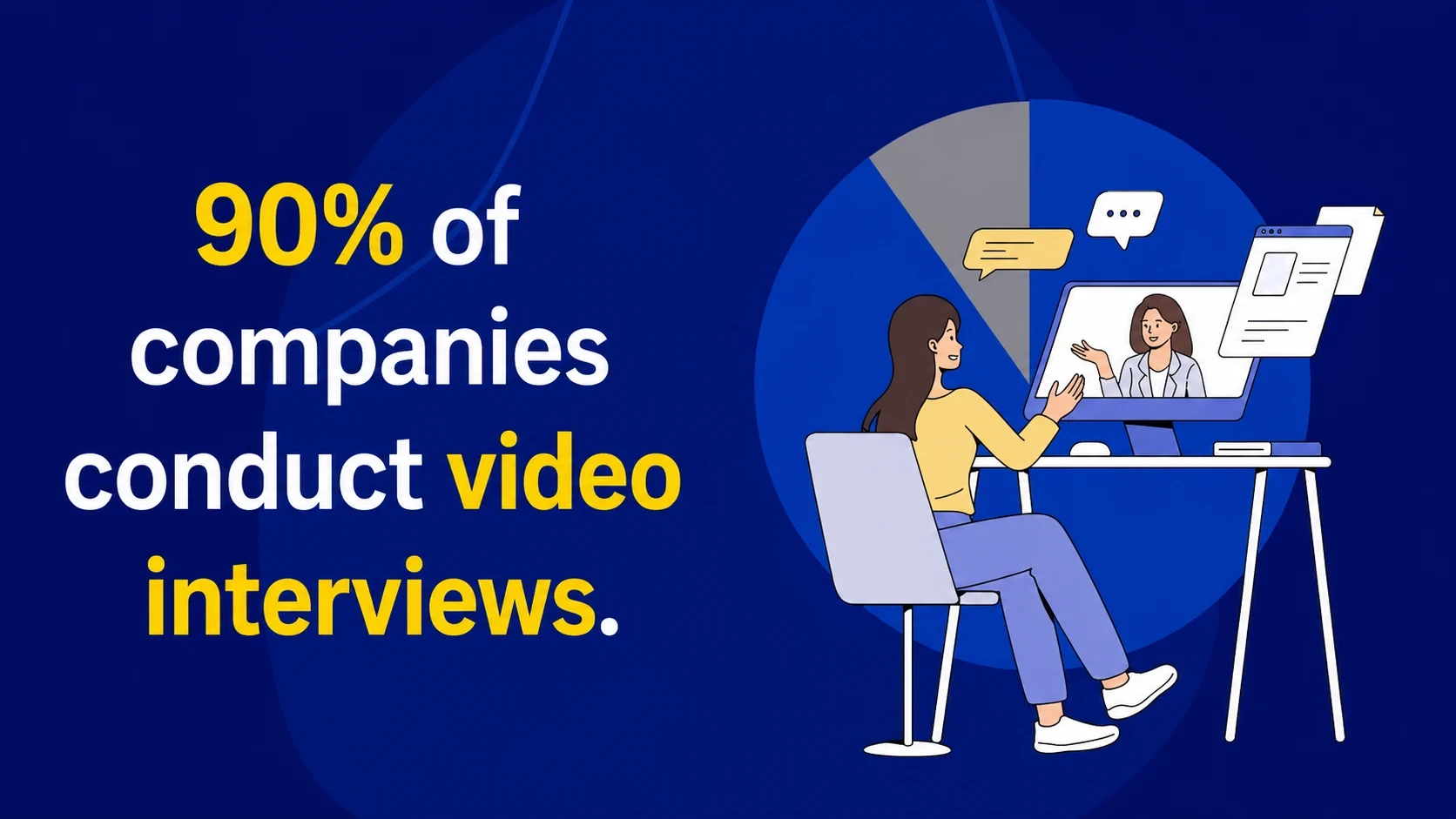
The shift toward virtual recruiting is happening at scale. According to hiring data published by Second Talent, 92% of companies conduct initial interviews virtually, while 84% of candidates prefer virtual first-round interviews due to convenience and flexibility. This highlights how digital hiring has become the standard across industries.
At the same time, virtual recruiting comes with new challenges. Recruiters increasingly face concerns around interview fraud, AI-assisted cheating during assessments, candidate impersonation, and maintaining hiring integrity in remote hiring environments.
What Is Virtual Recruiting?
Virtual recruiting is the process of hiring candidates using digital tools and online technologies instead of traditional in-person recruitment methods. It allows employers to manage every stage of the hiring journey remotely, from sourcing candidates and screening resumes to conducting interviews, assessments, and onboarding.
In simple terms, virtual recruiting replaces physical hiring interactions with digital experiences. Recruiters no longer need candidates to visit an office for initial interviews, written tests, or discussions. Instead, companies use video conferencing platforms, applicant tracking systems (ATS), online assessments, AI-powered screening tools, and digital collaboration software to evaluate talent remotely.
As remote and hybrid work models continue to grow, virtual recruiting has become a core strategy for organizations looking to hire faster and access a wider talent pool.
How Is Virtual Recruiting Different From Traditional Recruiting?
Traditional recruiting usually involves face-to-face interactions at multiple stages of hiring. Candidates may attend in-office interviews, complete assessments onsite, and meet hiring managers physically before receiving an offer.
Virtual recruiting, on the other hand, happens primarily online.
Here is a quick comparison:
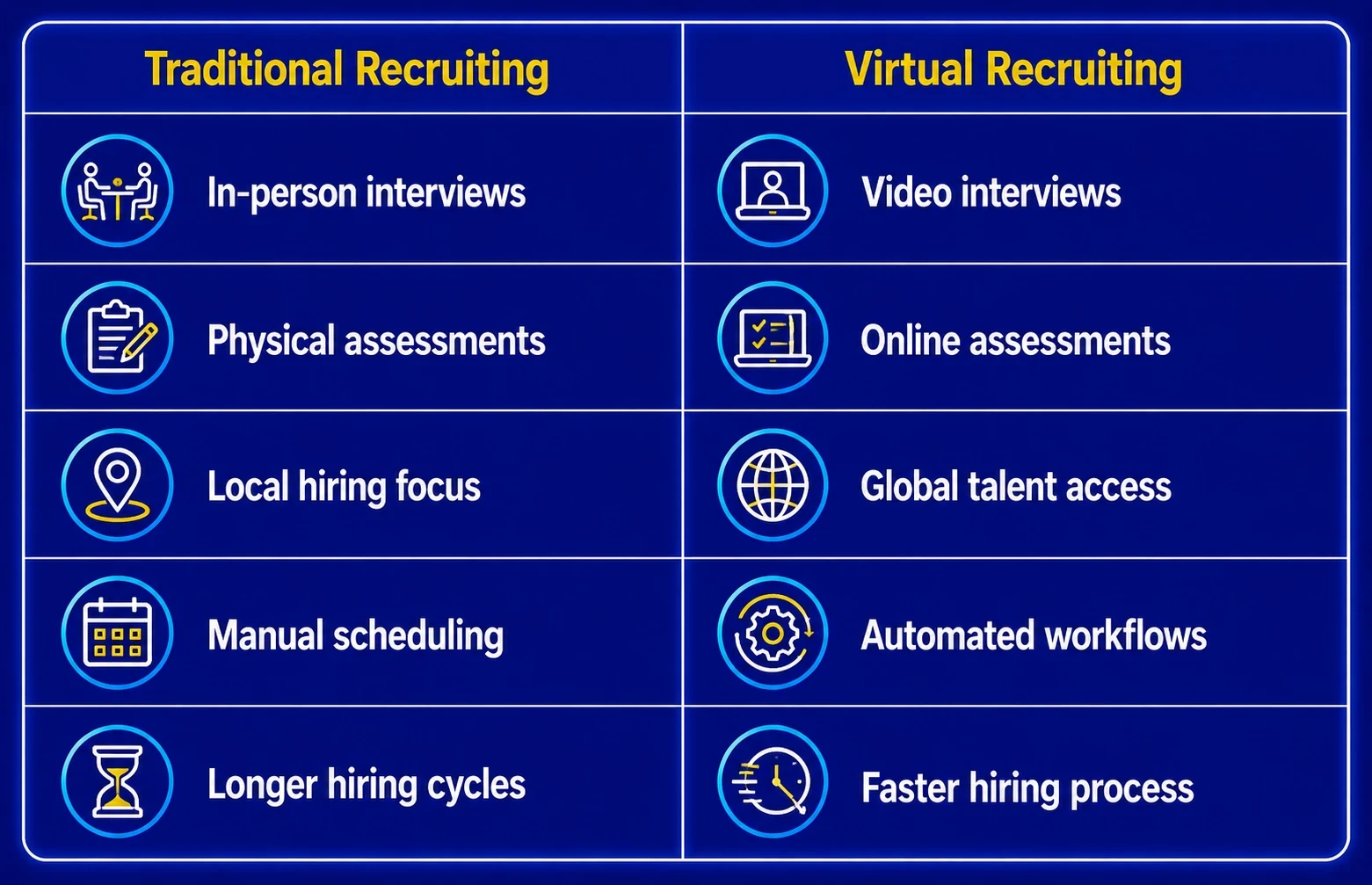
This digital-first hiring model allows recruiters to move candidates through the hiring funnel more efficiently while reducing logistical barriers.
Your Virtual Recruitment Process
A well-structured virtual recruitment process helps organizations hire candidates efficiently through digital channels. Instead of relying on in-person meetings and manual coordination, companies use online platforms to manage hiring remotely from candidate sourcing to onboarding. A clear recruitment workflow ensures faster hiring, better candidate experiences, and more consistent evaluation.
1. Candidate Sourcing
The virtual recruitment process begins with finding potential candidates through digital channels such as job boards, professional networking platforms, career websites, employee referrals, and talent databases. Since hiring is not limited by geography, organizations can reach a wider talent pool and attract candidates from different locations.
2. Resume Screening
Once applications are received, recruiters screen resumes digitally using Applicant Tracking Systems (ATS) or AI-powered recruitment tools. These systems help hiring teams shortlist candidates based on skills, experience, qualifications, and job requirements while reducing manual effort.
3. Virtual Interviews
Shortlisted candidates move to the interview stage, where recruiters conduct interviews through video conferencing platforms. Depending on the role, this may include HR screening rounds, technical interviews, behavioral interviews, or panel discussions. Virtual interviews improve scheduling flexibility and reduce delays in the hiring process.
4. Online Assessments
Many organizations include online assessments to evaluate technical skills, problem-solving abilities, communication skills, or job-specific competencies. However, recruiters also need safeguards against interview fraud, candidate impersonation, and AI-assisted cheating during remote assessments.
5. Candidate Evaluation and Hiring Decision
After interviews and assessments, hiring teams review candidate performance, compare feedback, and collaborate digitally to make informed hiring decisions. Structured evaluation frameworks help improve consistency and reduce bias during candidate selection.
6. Remote Onboarding
The final step in the virtual recruitment process is onboarding. Organizations complete documentation digitally and introduce new hires through virtual training sessions, online orientation programs, and collaboration tools to ensure a smooth transition into the role.
By following a structured virtual recruitment process, organizations can reduce hiring time, improve efficiency, and create a seamless experience for both recruiters and candidates.
Advantages of Virtual Recruiting
Virtual recruiting has transformed how organizations attract, assess, and hire talent. Instead of relying solely on traditional in-person hiring methods, companies can now manage recruitment digitally through video interviews, online assessments, and automated workflows. As remote and hybrid work continue to grow, businesses are increasingly adopting virtual recruiting to improve hiring speed, efficiency, and accessibility.
Below are six major advantages of virtual recruiting and why it has become an important strategy for modern hiring.
1. Faster Hiring Process
One of the biggest benefits of virtual recruiting is the ability to hire candidates more quickly. Traditional recruitment often involves scheduling conflicts, travel arrangements, venue coordination, and long waiting periods between interview rounds. These delays can slow down hiring and increase the risk of losing top candidates to competitors.
Virtual recruiting eliminates many of these obstacles by enabling recruiters to conduct interviews, assessments, and discussions online. Hiring managers can schedule meetings faster, reduce back-and-forth communication, and make quicker decisions.
A faster hiring process not only improves efficiency but also enhances the candidate experience by reducing unnecessary waiting times.
2. Access to a Wider Talent Pool
Traditional recruitment is often limited by geography, meaning organizations typically hire candidates within commuting distance or specific regions. Virtual recruiting removes these geographical limitations and gives companies access to a much broader talent pool.
Recruiters can hire candidates from different cities, states, or even countries without requiring physical office visits during the hiring process. This makes it easier to find specialized talent, fill hard-to-hire positions, and build more diverse teams.
For remote and global companies, virtual recruiting creates opportunities to hire the best candidates regardless of location.
3. Reduced Recruitment Costs
Recruitment can be expensive, especially when organizations rely heavily on in-person hiring. Costs such as travel reimbursements, venue arrangements, office resources, printed materials, and accommodation for candidates can add up quickly.
Virtual recruiting significantly reduces these expenses by moving much of the process online. Video interviews replace travel requirements, digital documentation minimizes paperwork, and online assessments reduce logistical complexity.
For organizations hiring at scale, these cost savings can have a significant impact while maintaining recruitment quality.
4. Better Scheduling Flexibility
Coordinating in-person interviews can be difficult when recruiters, hiring managers, and candidates have conflicting schedules. Travel time and location availability often create additional delays.
Virtual recruiting provides greater flexibility because interviews can happen from anywhere with an internet connection. Candidates can join from their homes, while hiring teams can coordinate across different locations without needing physical meeting spaces.
This flexibility allows organizations to reduce scheduling bottlenecks and move candidates through the hiring process more efficiently.
5. Improved Candidate Experience
Candidate experience plays a major role in employer branding and hiring success. A slow or inconvenient recruitment process can negatively impact how candidates perceive an organization.
Virtual recruiting creates a more convenient experience by allowing candidates to attend interviews remotely, avoid travel expenses, and complete assessments online. Candidates often appreciate the flexibility and convenience of digital hiring experiences.
Clear communication, faster feedback, and streamlined virtual interactions can also improve candidate satisfaction and increase offer acceptance rates.
6. Increased Hiring Efficiency Through Automation
Modern virtual recruiting platforms help organizations automate repetitive hiring tasks such as resume screening, interview scheduling, candidate communication, and assessment management.
This automation reduces manual administrative work and allows recruiters to focus more on evaluating candidates, improving hiring quality, and making strategic decisions.
Organizations can also track recruitment metrics, monitor hiring performance, and optimize workflows more effectively through digital hiring tools.
Overall, virtual recruiting helps organizations create a faster, more scalable, and more efficient hiring process while improving accessibility for both recruiters and candidates.
The Limitations of Virtual Recruiting
While virtual recruiting has transformed hiring by making recruitment faster and more flexible, it is not without challenges. Organizations adopting virtual hiring often face limitations related to candidate engagement, assessment accuracy, communication, and technology. Understanding these challenges is important for creating a more effective and reliable virtual recruitment process.
1. Difficulty in Assessing Cultural Fit
One of the biggest limitations of virtual recruiting is understanding whether a candidate aligns with the company culture. During traditional in-person hiring, recruiters can observe how candidates interact with employees, communicate in meetings, and respond to workplace environments.
In virtual recruiting, these interactions happen through screens, making it harder to fully assess personality, teamwork, adaptability, and workplace behavior. Recruiters may miss informal observations that often help determine long-term fit within an organization.
Some common cultural fit challenges include:
Limited face-to-face interaction
Difficulty evaluating interpersonal skills
Reduced visibility into workplace behavior
Less opportunity for team engagement
Organizations can address this challenge by conducting behavioral interviews, virtual team interactions, and scenario-based discussions to better evaluate cultural alignment.
2. Candidate Experience May Feel Less Personal
Virtual recruiting can sometimes feel impersonal for candidates, especially when communication relies heavily on automation. In traditional hiring, candidates often build stronger relationships with recruiters through office visits, informal discussions, and direct workplace exposure.
Without these interactions, candidates may feel less connected to the organization or uncertain about the role and company environment.
Some common candidate experience challenges include:
Limited human interaction during hiring
Delayed recruiter responses
Reduced emotional connection with the employer brand
Difficulty understanding company culture
To improve candidate engagement, companies should focus on regular communication, faster updates, personalized interactions, and virtual introductions to teams or workplace culture.
3. Technical Issues Can Affect Hiring
Technology is the foundation of virtual recruiting, but technical disruptions can negatively impact the hiring process. Internet connectivity problems, software glitches, video delays, microphone failures, or platform issues may interrupt interviews and assessments.
In some situations, technical problems may affect candidate confidence or performance, making it harder for recruiters to evaluate skills fairly.
Common technical challenges include:
Poor internet connection
Audio and video interruptions
Platform compatibility issues
Difficulty using recruitment software
Organizations can reduce these problems by selecting reliable virtual hiring tools, testing systems before interviews, and providing clear instructions to candidates beforehand.
4. Maintaining Hiring Integrity Can Be Challenging
As virtual recruiting grows, maintaining trust and fairness during candidate evaluation has become increasingly difficult. Since recruiters cannot physically monitor candidates, organizations may face concerns related to authenticity and assessment integrity.
This challenge has become even more important with the rise of AI-assisted tools during online interviews and assessments.
Some common hiring integrity concerns include:
Candidate impersonation
External assistance during assessments
AI-generated interview responses
Hidden devices or second-screen usage
Misrepresentation of technical skills
Organizations can overcome this limitation by implementing structured evaluation systems, secure assessments, and interview integrity monitoring to maintain fair hiring outcomes.
5. Communication Gaps May Slow Down Hiring
Effective communication is essential for a positive recruitment experience. However, in virtual recruiting, communication gaps can occur more easily if recruiters rely too heavily on emails or automated workflows.
Candidates may feel uncertain about interview timelines, expectations, or next steps if updates are inconsistent or delayed. Poor communication can affect candidate trust and employer perception.
Common communication challenges include:
Delayed interview updates
Lack of clarity on hiring stages
Slow feedback cycles
Reduced recruiter accessibility
To solve this issue, recruiters should establish a structured communication process and keep candidates informed throughout every stage of hiring.
6. Virtual Recruiting Is Not Ideal for Every Role
Although virtual recruiting works well for many industries, it may not be the best fit for every position. Some roles require physical demonstrations, practical assessments, or onsite collaboration that cannot be fully evaluated online.
For example, operational, healthcare, manufacturing, and laboratory-based roles may still require physical assessments before final hiring decisions are made.
Challenges for certain roles include:
Difficulty evaluating hands-on skills
Limited real-world job simulations
Need for physical equipment demonstrations
Reduced onsite environment exposure
Many organizations solve this challenge through a hybrid hiring approach that combines virtual recruiting with selective in-person assessments where necessary.
Despite these limitations, virtual recruiting continues to be one of the most effective ways to attract and hire talent in today’s digital-first workplace. The key is not to avoid these challenges but to proactively address them using the right hiring strategies, structured evaluation methods, and reliable recruitment technology. When implemented effectively, virtual recruiting can deliver faster, more scalable, and higher-quality hiring outcomes.
How to Make Your Virtual Recruitment Process a Success
A successful virtual recruitment process requires more than simply moving interviews online. Organizations need a structured strategy that balances technology, communication, candidate experience, and hiring consistency. By following the right approach, businesses can improve hiring efficiency while creating a better experience for candidates.
1. Follow Legal and Compliance Guidelines
When conducting virtual recruiting, organizations must ensure their hiring process follows legal and compliance requirements. Since recruitment happens online and candidate information is collected digitally, businesses need to maintain fair hiring practices, protect candidate data, and avoid discrimination throughout the recruitment process.
Companies should also ensure their virtual hiring methods comply with employment regulations and privacy laws across different regions. For example, organizations hiring internationally may need to follow country-specific labor laws and data privacy standards such as GDPR compliance in Europe.
Organizations can improve legal compliance by:
Following equal hiring opportunities for all candidates
Avoiding discrimination based on age, disability, gender, race, religion, or marital status
Implementing blind hiring practices to reduce unconscious bias
Protecting candidate information through secure hiring systems
Using recruitment platforms that comply with privacy regulations
Maintaining consistent evaluation criteria during interviews
These practices help organizations create a fair, transparent, and legally compliant virtual recruitment process while improving trust and reducing hiring risks.
2. Build the Right Recruitment Tech Stack
Technology is the foundation of successful virtual recruiting. Without the right tools, recruiters may struggle with scheduling, candidate communication, interviews, and evaluations. A strong recruitment technology stack helps streamline hiring and improve efficiency.
Organizations can strengthen their hiring process by using:
Video interviewing platforms
Applicant Tracking Systems (ATS)
Online assessment tools
Interview scheduling software
Candidate communication platforms
The right technology makes virtual recruiting smoother, faster, and easier for both recruiters and candidates.
3. Help Candidates Experience the Role and Company Culture
One major challenge of virtual recruiting is helping candidates understand company culture without visiting the workplace. Since candidates cannot experience office interactions in person, organizations need to create alternative ways to showcase the work environment.
Companies can improve engagement by:
Conducting virtual office tours
Organizing team introductions
Sharing employee testimonials
Providing realistic job previews
Hosting interactive Q&A sessions
These efforts help candidates feel more connected to the organization and make better-informed career decisions.
4. Keep Candidates Informed Throughout the Hiring Process
Communication plays a critical role in virtual recruiting success. Candidates should always understand where they are in the hiring process, what the next steps are, and how to prepare for interviews or assessments.
Organizations can improve communication by:
Sending timely interview updates
Sharing clear hiring timelines
Providing interview preparation guidelines
Following up after interview rounds
Keeping candidates informed about decisions
Consistent communication improves candidate experience and helps organizations maintain engagement throughout the recruitment journey.
5. Adapt Recruitment Events for a Virtual Environment
Organizations that rely on hiring events or networking opportunities should adapt these experiences to virtual formats. Digital recruitment events can help employers connect with larger talent pools while maintaining flexibility and accessibility.
Companies can improve virtual hiring events by:
Hosting online career fairs
Conducting virtual networking sessions
Organizing digital campus recruitment drives
Running live webinars and Q&A sessions
Creating interactive employer branding experiences
Virtual recruitment events help organizations attract talent more efficiently while reducing logistical barriers.
Making a virtual recruitment process successful requires the right balance of communication, technology, structure, and candidate engagement. Organizations that prioritize transparency, consistency, and hiring quality can create a virtual recruiting process that is both efficient and candidate-friendly. By continuously improving digital hiring experiences, businesses can attract stronger talent and make more confident hiring decisions.
How Sherlock AI Improves Virtual Recruiting
While virtual recruiting helps organizations hire faster and access broader talent pools, it also introduces new hiring risks such as interview fraud, candidate impersonation, AI-assisted cheating, and inconsistent candidate evaluation. As remote hiring continues to grow, recruiters need better ways to ensure hiring decisions remain fair, accurate, and trustworthy.
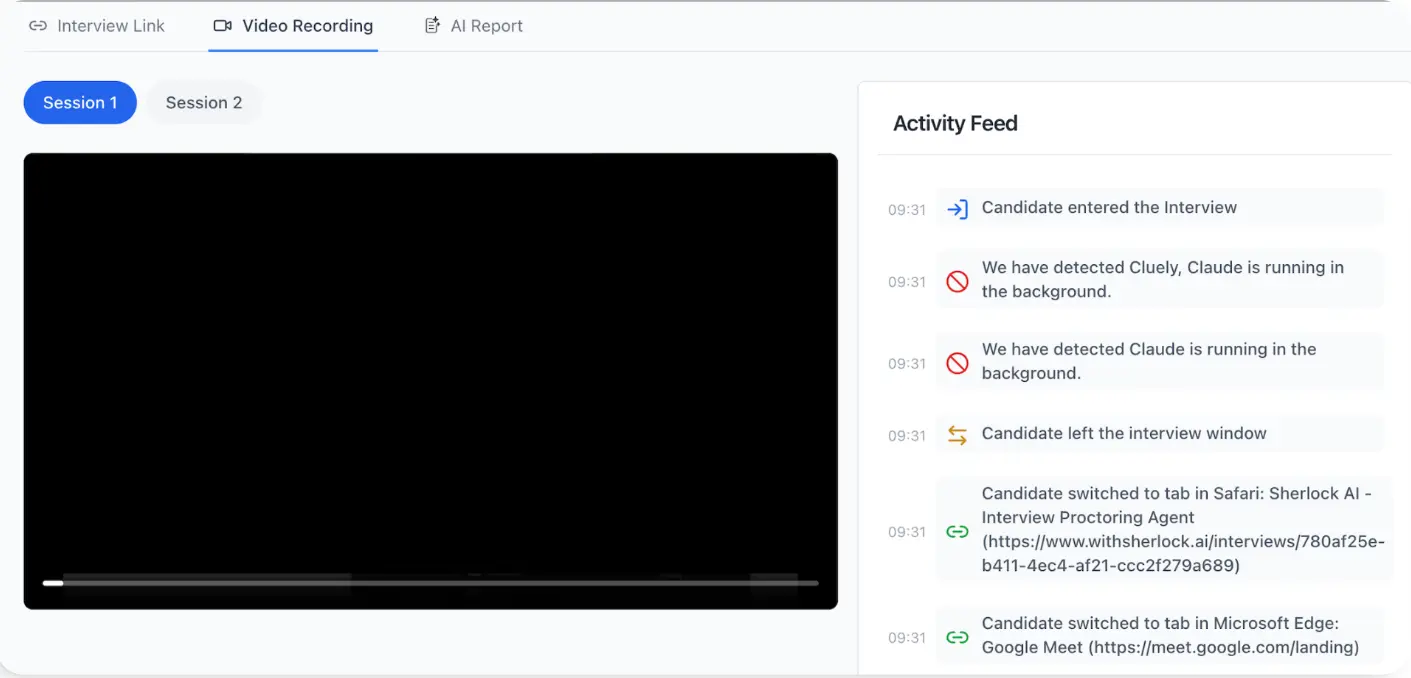
This is where Sherlock AI helps organizations strengthen and improve the virtual recruitment process. By combining behavioral intelligence, hiring integrity monitoring, and recruiter support, Sherlock AI helps businesses make more confident hiring decisions.
1. Detect Interview Fraud and Candidate Impersonation
One of the biggest concerns in virtual recruiting is ensuring that the right candidate is actually participating in the interview or assessment. Since hiring happens remotely, recruiters may struggle to identify suspicious behavior or external assistance.
Sherlock AI helps organizations by:
Detecting suspicious activity during virtual interviews
Helping identify impersonation risks
Monitoring interview authenticity signals
Supporting more secure candidate evaluations
This helps organizations maintain trust and fairness throughout the hiring process.
2. Behavioral Intelligence for Better Candidate Evaluation
Hiring decisions should go beyond resumes and scripted answers. Understanding behavioral signals can help recruiters make more informed decisions about candidate authenticity, engagement, and suitability.
Sherlock AI provides:
Behavioral intelligence insights during interviews
Better visibility into candidate engagement patterns
Structured evaluation support for recruiters
More consistent hiring assessments
These insights help hiring teams evaluate candidates more accurately and confidently.
3. Real-Time Interview Monitoring
Virtual interviews can sometimes involve hidden assistance, distractions, or suspicious candidate behaviors that recruiters may not immediately notice.
Sherlock AI helps organizations by:
Monitoring interview behavior in real time
Helping flag unusual interview activity
Improving visibility during remote evaluations
Supporting more reliable interview outcomes
This allows hiring teams to make decisions with greater confidence during remote hiring.
4. Improve Trust and Integrity in Virtual Hiring
Trust is becoming one of the most important factors in digital recruitment. As organizations increasingly hire remotely, maintaining hiring integrity is critical for fair candidate evaluation.
Sherlock AI helps organizations:
Strengthen hiring trust in virtual environments
Reduce concerns around AI-assisted cheating
Improve confidence in candidate authenticity
Create more structured and secure hiring processes
By helping organizations build a more transparent and trustworthy hiring process, Sherlock AI enables teams to make smarter virtual hiring decisions while protecting recruitment quality.
Conclusion
Virtual recruiting has fundamentally changed the way organizations attract, evaluate, and hire talent. What once depended heavily on in-person meetings and manual coordination has evolved into a faster, more flexible, and technology-driven hiring process. From sourcing candidates and conducting virtual interviews to managing online assessments and onboarding remotely, businesses now have the opportunity to build more scalable and efficient recruitment systems.
At the same time, successful virtual recruiting requires more than convenience and speed. Organizations must focus on creating a structured hiring process that prioritizes candidate experience, clear communication, fair evaluation methods, and hiring consistency. Addressing challenges such as technical issues, candidate engagement, and assessment reliability is essential for making better hiring decisions in remote environments.
As virtual hiring continues to grow, maintaining trust and hiring integrity will become increasingly important. Challenges such as candidate impersonation, AI-assisted cheating, and interview fraud are changing how recruiters evaluate talent online. This is why organizations need smarter hiring solutions that help ensure candidates are assessed fairly and authentically.
As the future of hiring becomes increasingly digital, organizations that combine efficient virtual recruiting practices with secure hiring technology will be better positioned to attract top talent and build stronger teams.
Turn Virtual Recruiting Into Trusted Recruiting Get Started with Sherlock AI |
|---|