Back to all blogs
Discover the best virtual recruiting ideas to attract talent online. Learn strategies, tools, virtual events, and AI-powered hiring tips to improve recruitment.

Finding and attracting great talent has changed significantly in recent years. Traditional recruitment methods are no longer enough for companies that want to hire faster, access global talent, and improve candidate quality. Today, organizations are increasingly adopting virtual recruiting strategies to connect with candidates online, streamline hiring processes, and create better candidate experiences.
Virtual recruiting is no longer just a temporary solution. It has become a long-term hiring strategy for businesses of all sizes. From virtual job fairs and AI-powered screening tools to online assessments and remote interviews, companies are finding smarter ways to engage talent without geographical limitations.
The shift toward digital hiring is supported by growing industry data. According to the 2025 State of Online Recruiting Report, 68.6% of employers now conduct all or most of their hiring through online job boards and recruiting platforms, showing how deeply digital hiring has become embedded in recruitment strategies.
However, virtual recruiting also brings challenges. The same report found that 59.7% of employers struggle with unqualified applicants, while candidate ghosting continues to affect hiring outcomes. This means companies need more than just online job postings. They need smart virtual recruiting ideas that help identify genuine talent efficiently.
In this guide, we will explore the best virtual recruiting ideas to help businesses attract talent online, improve candidate engagement, strengthen employer branding, and make better hiring decisions.
What Is Virtual Recruiting?
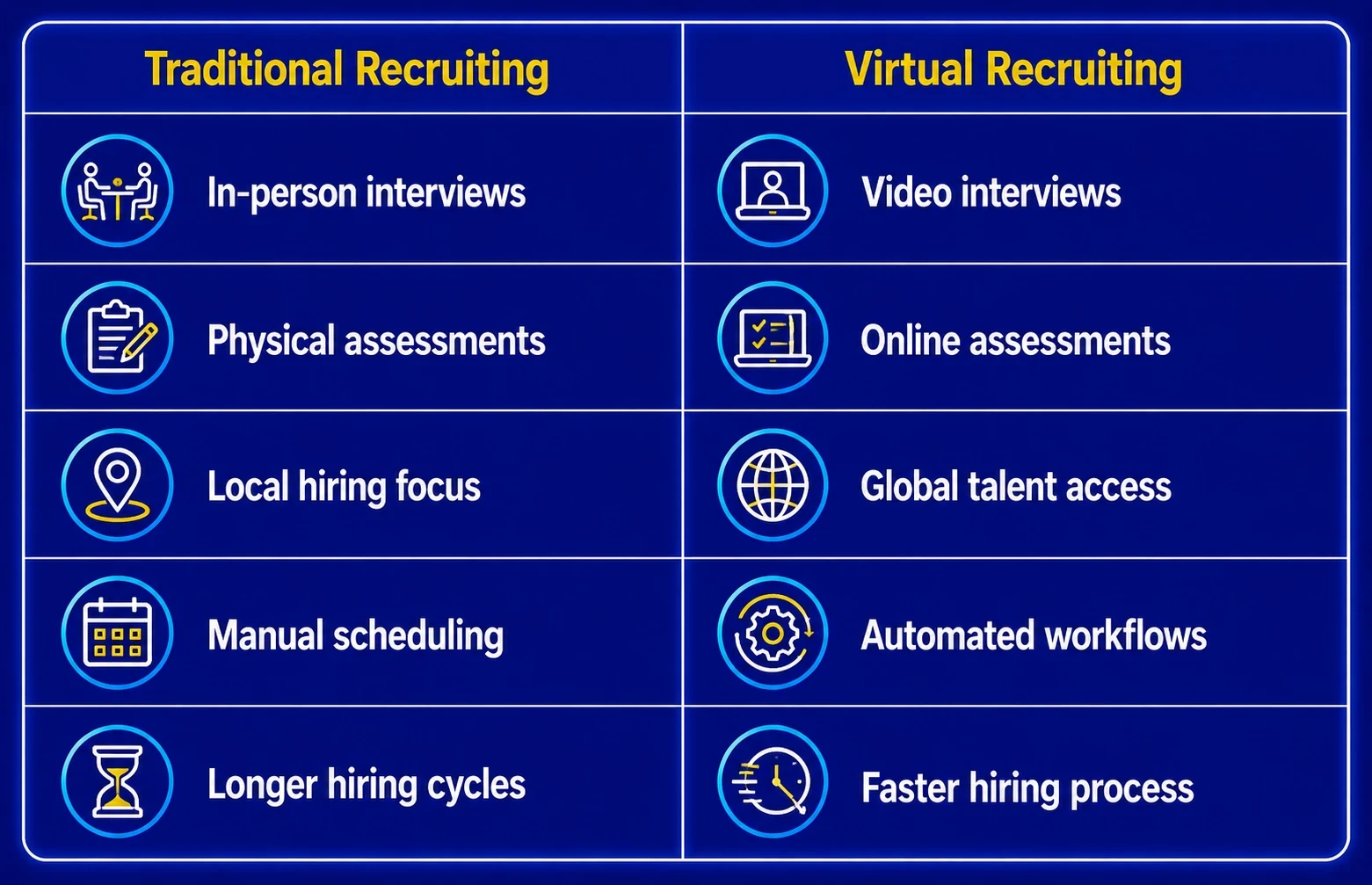
Virtual recruiting is the process of attracting, assessing, interviewing, and hiring candidates using digital platforms instead of traditional in-person methods. It allows employers to manage the entire recruitment journey online, from sourcing talent to onboarding new hires.
Also known as e-recruitment or online recruitment, virtual recruiting uses technologies such as video interviews, applicant tracking systems (ATS), AI-powered screening, online assessments, recruitment marketing tools, and virtual career events to streamline hiring.
As remote and hybrid work models continue to grow, businesses are increasingly adopting virtual recruiting ideas to access a broader talent pool without geographical limitations. Instead of hiring only from a local market, recruiters can now connect with skilled candidates across cities, countries, and time zones.
The Virtual Recruiting Process in 4 Steps
Building a successful virtual recruiting strategy requires more than simply moving interviews online. Organizations need a structured process that helps them attract qualified candidates, assess skills accurately, reduce hiring bias, and create a smooth candidate experience.
Below are the four key steps of an effective virtual recruiting process.
1. Finding Talent Online
The first step in virtual recruiting is attracting candidates through digital channels. Since job seekers increasingly search for opportunities online, employers must build strong digital visibility to attract quality talent.
Some effective ways to find talent online include:
Posting jobs on online job boards and niche hiring platforms
Using social media recruiting through platforms like LinkedIn and professional communities
Running employee referral programs
Hosting virtual career fairs and networking events
Building talent pipelines through employer branding content
Creating a compelling employer brand is especially important in virtual recruitment. Candidates often evaluate company culture online before applying. Sharing employee experiences, workplace values, growth opportunities, and transparent hiring information can help increase application quality.
Organizations should also optimize job descriptions with clear expectations, role requirements, and flexible work details to attract the right candidates.
2. Assessing Candidates
After attracting applicants, recruiters must identify the most qualified candidates efficiently. Virtual recruiting often involves large applicant volumes, making structured evaluation processes essential.
Common online assessment methods include:
Resume screening and applicant tracking systems (ATS)
Skills assessments and technical evaluations
Behavioral and situational assessments
AI-assisted candidate screening tools
Structured evaluation scorecards
However, remote hiring can also introduce risks such as resume misrepresentation, impersonation, proxy interviews, and cheating during assessments.
This is where recruitment intelligence platforms like Sherlock AI become valuable. By helping organizations identify suspicious candidate behavior and maintain hiring integrity, companies can make more confident hiring decisions during virtual recruitment.
3. Virtual Interviewing
Virtual interviews help recruiters evaluate candidates remotely through video communication and online assessments. Companies often use a mix of live video interviews and pre-recorded interview formats to improve hiring speed and flexibility.
Best practices for virtual interviews include:
Using structured interview questions
Standardizing evaluation criteria
Creating a professional interview experience
Testing technology beforehand
Reducing scheduling friction for candidates
A well-organized virtual interview process can improve candidate experience while helping hiring teams make fairer and faster decisions.
4. Hiring and Onboarding
The final stage of the virtual recruiting process focuses on turning selected candidates into successful employees through seamless hiring and onboarding experiences. A smooth transition can improve employee engagement, productivity, and long-term retention.
Some important parts of virtual hiring and onboarding include:
Sending digital offer letters and contracts
Completing document verification and background checks online
Providing virtual onboarding sessions and training materials
Introducing new hires to teams through online meetings
Setting clear expectations, goals, and communication channels
Companies that invest in structured virtual onboarding often see better employee satisfaction and faster productivity. A strong onboarding experience helps new employees feel connected, informed, and prepared from the beginning.
By creating a seamless digital hiring and onboarding process, organizations can improve the overall candidate experience while strengthening long-term employee retention.
Virtual Events to Improve Your Talent Pool
Virtual events have become one of the most effective virtual recruiting ideas for companies looking to attract top talent online. Unlike traditional hiring methods, virtual recruiting events allow employers to engage with candidates at scale, showcase company culture, and build relationships before the formal interview process begins.
By hosting the right virtual events, businesses can strengthen employer branding, improve candidate engagement, and create a stronger talent pipeline.
1. Virtual Career Fairs
Virtual career fairs allow employers to connect with large numbers of candidates remotely through online platforms. Recruiters can host live Q&A sessions, share job opportunities, conduct quick screenings, and interact with potential applicants in real time.
These events are particularly useful for:
High-volume hiring
Campus recruitment
Remote and global hiring
Building brand awareness among job seekers
Virtual career fairs also reduce travel costs and logistical challenges while expanding access to a larger talent pool.
2. Online Networking Events
Networking events help companies build long-term relationships with potential candidates, even if there are no immediate job openings.
Organizations can host:
Industry-specific networking sessions
Professional meetups
Leadership panel discussions
Open virtual office hours with recruiters
These events help position employers as industry leaders while keeping future talent engaged.
3. Webinars and Educational Sessions
Educational webinars are an excellent way to attract skilled professionals who are interested in learning and career growth.
Companies can host webinars about:
Industry trends and insights
Career development advice
Technical workshops
Company culture and work environment
Educational content helps employers attract passive candidates while strengthening credibility in their industry.
4. Virtual Open Houses
Virtual open houses give candidates an inside look at company culture, leadership teams, and workplace expectations.
During these sessions, organizations can showcase:
Team introductions
Employee experiences
Workplace culture and values
Growth opportunities and benefits
Candidates are more likely to apply when they feel connected to an organization’s mission and culture.
5. AI-Powered Hiring Events
Modern recruiting teams are increasingly using AI-driven virtual recruiting tools during online hiring events to improve candidate screening and reduce inefficiencies.
AI-powered platforms can help recruiters:
Screen candidates faster
Identify high-potential applicants
Detect suspicious behavior during assessments
Improve hiring consistency
Virtual recruiting events are no longer optional for companies competing for top talent. They are a powerful way to expand your talent pool, improve employer visibility, and build stronger candidate relationships online.
How to Attract Diverse Talent Through Virtual Recruiting
One of the biggest advantages of virtual recruiting is the ability to reach a wider and more diverse talent pool. Since companies are no longer restricted by location, recruiters can connect with candidates from different backgrounds, experiences, and skill sets.
However, attracting diverse talent requires intentional strategies. Organizations must create an inclusive recruitment process that makes candidates feel welcomed, valued, and supported throughout the hiring journey.
1. Write Inclusive Job Descriptions
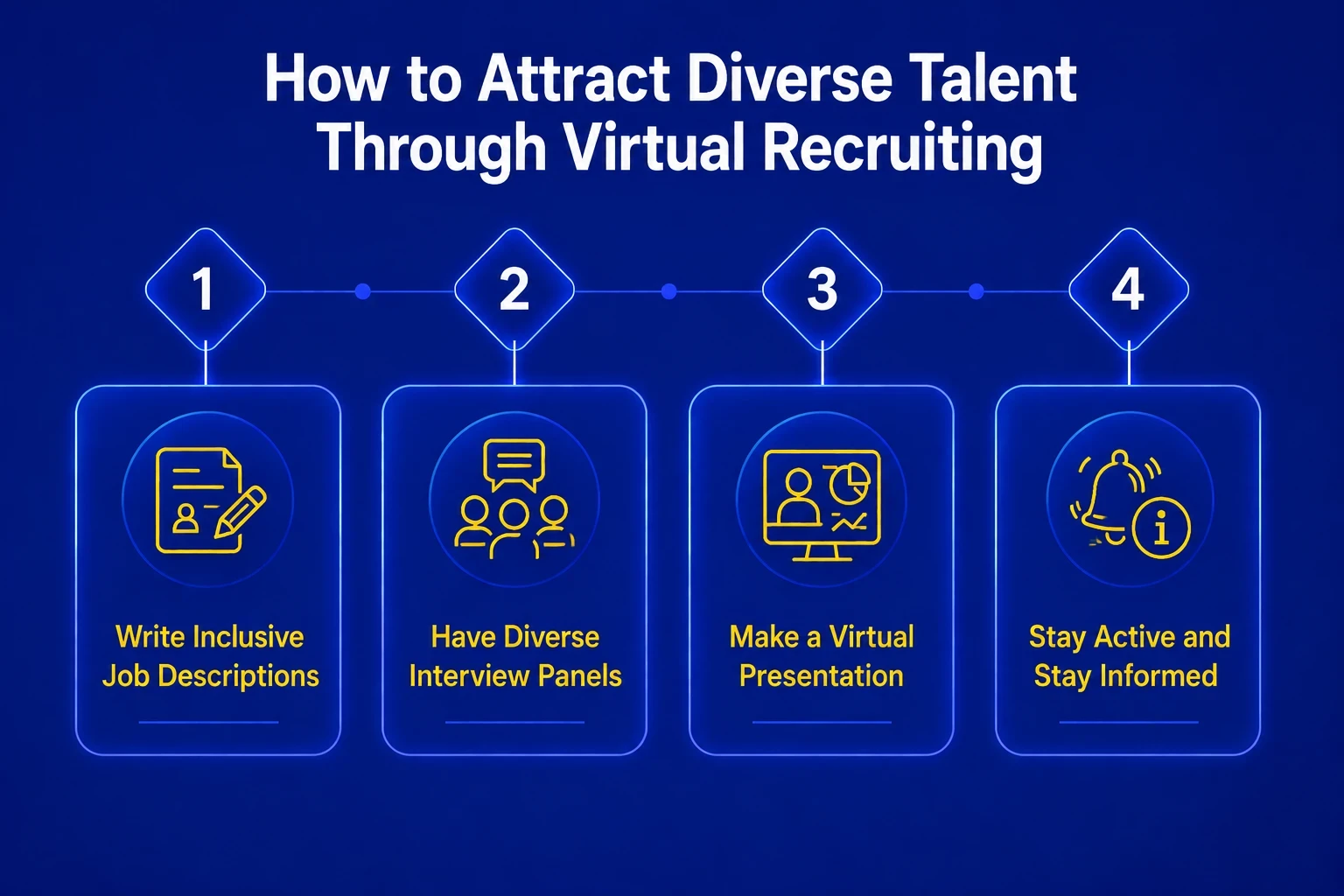
Words matter! Frequently, the vocabulary used in job descriptions favors qualities that unintentionally discourage candidates from applying. Companies should avoid descriptions that only cater to specific audiences or include language that may feel exclusive. Focus on clear expectations, essential skills, and inclusive messaging. If needed, ask for additional opinions from team members to ensure the job description appeals to a broader and more diverse talent pool.
2. Have Diverse Interview Panels
Representation matters! Creating diverse interview panels helps candidates feel more comfortable and welcomed during the hiring process. Different perspectives from panel members can also help organizations recognize and eliminate unconscious biases, leading to fairer hiring decisions and a more positive candidate experience.
3. Make a Virtual Presentation
Showcase your company culture! Host online events focused on diversity and inclusion within your organization. Invite company representatives to share insights about workplace culture, employee experiences, and how your organization addresses discrimination and supports inclusive hiring practices. This helps candidates better understand your company values before applying.
4. Stay Active and Stay Informed
Diversity efforts should be ongoing! Show candidates that inclusion is deeply integrated into your company’s culture and daily practices. Stay informed about workplace diversity trends, improve internal policies, and actively support initiatives that fight discrimination both inside and outside the organization.
Virtual Recruiting Ideas and Tips
Successful virtual recruiting requires more than posting jobs online and scheduling video interviews. Companies need creative strategies to attract quality candidates, improve engagement, and create a seamless hiring experience.
Below are some of the most effective virtual recruiting ideas and tips to help organizations attract talent online and improve hiring outcomes.
1. Strengthen Your Employer Brand
Candidates research companies before applying! A strong employer brand can help your organization stand out in a competitive talent market. Candidates often evaluate company culture, leadership, employee experiences, and workplace values online before submitting applications.
Ways to improve employer branding include:
Sharing employee testimonials and success stories
Posting behind-the-scenes workplace content
Highlighting company culture and values
Promoting growth opportunities and employee benefits
A strong digital presence can improve both application quality and candidate trust.
2. Use Social Media Recruiting
Meet candidates where they already spend time! Social media platforms can be powerful tools for attracting talent online. Recruiters can promote job openings, engage with candidates, and strengthen employer visibility through consistent content.
Effective social recruiting strategies include:
Sharing job opportunities regularly
Posting employee stories and workplace culture updates
Engaging with industry communities
Running targeted recruitment campaigns
Social recruiting can help companies reach both active and passive candidates.
3. Host Virtual Career Events
Virtual engagement builds stronger talent pipelines! Online hiring events allow employers to interact with candidates before formal interviews begin.
Organizations can host:
Virtual job fairs
Networking events
Industry webinars
Q&A sessions with hiring teams
These events help recruiters connect with larger candidate pools while improving employer awareness.
4. Optimize Your Virtual Interview Process
Candidate experience matters! Poor interview experiences can discourage strong candidates from moving forward.
To improve virtual interviews:
Use structured interview questions
Standardize evaluation criteria
Reduce scheduling delays
Test interview technology beforehand
Provide clear communication to candidates
A smooth interview process improves candidate satisfaction and hiring efficiency.
5. Use AI-Powered Recruitment Tools
Technology can improve hiring quality! AI-driven recruitment platforms help organizations screen candidates faster, reduce manual effort, and improve hiring accuracy.
Modern recruiting tools can help:
Automate candidate screening
Improve interview consistency
Reduce recruitment bias
Detect suspicious candidate behavior during virtual interviews
For organizations conducting remote hiring at scale, Sherlock AI helps improve hiring confidence by identifying potential interview fraud and maintaining integrity throughout the recruitment process.
6. Build Talent Communities
Recruitment should not stop after one hiring cycle! Companies can create long-term relationships with candidates through talent communities.
This can include:
Email newsletters for future opportunities
Online networking groups
Talent pools for upcoming roles
Community-driven hiring events
Building relationships early helps companies hire faster when new roles become available.
7. Personalize Candidate Communication
Candidates value transparency and communication! Keeping applicants informed throughout the recruitment process can significantly improve candidate experience.
Best practices include:
Sending timely updates
Providing interview feedback when possible
Clearly explaining hiring timelines
Maintaining transparent communication
Positive candidate experiences often improve employer reputation and future hiring success.
By combining these virtual recruiting ideas and tips, organizations can attract stronger candidates, improve hiring efficiency, and build a more effective online recruitment strategy.
How Sherlock AI Improves Virtual Recruiting
Virtual recruiting makes hiring faster and more scalable, but it also creates challenges such as candidate impersonation, AI-assisted cheating, proxy interviews, and inconsistent evaluations. As remote hiring grows, recruiters need stronger systems to maintain interview integrity and make confident hiring decisions.
This is where Sherlock AI helps.
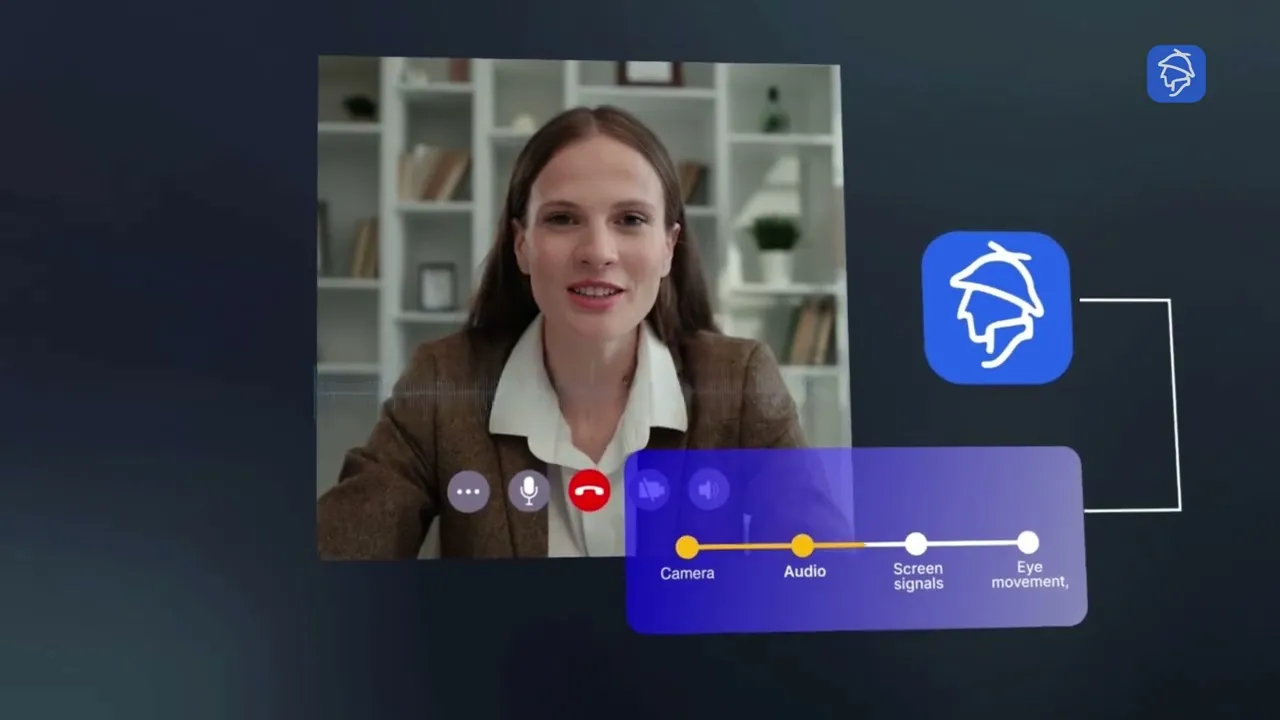
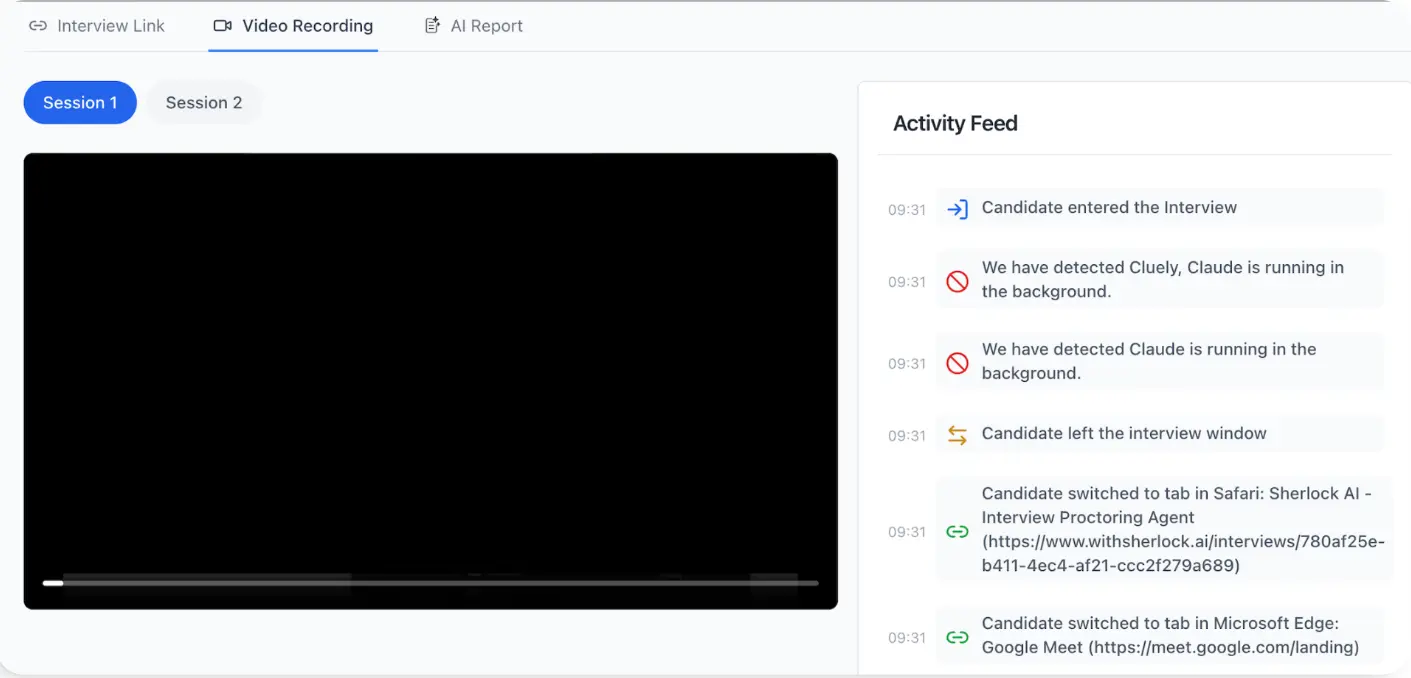
Sherlock AI is an AI interview proctoring platform designed to improve the reliability of virtual recruiting. It uses autonomous vision, hearing, and reasoning to monitor interviews and help organizations detect suspicious activity during remote hiring.
1. AI Fraud Detection
Protect hiring integrity during remote interviews! Sherlock AI helps organizations detect AI-assisted cheating, deepfake fraud, and suspicious interview behavior during online hiring.
Sherlock AI can help identify:
AI-assisted cheating during interviews
Deepfake-based impersonation attempts
Proxy candidates taking interviews on behalf of others
Suspicious behavioral signals during remote assessments
This helps recruiters reduce hiring fraud and make more confident decisions during virtual recruiting.
2. AI Fluency Observation
Evaluate how candidates use AI tools! Many organizations now allow selective AI usage during problem-solving interviews. Instead of penalizing AI use, Sherlock AI observes how effectively candidates use AI tools in context.
This feature helps recruiters:
Understand candidate AI usage patterns
Evaluate problem-solving with AI assistance
Measure practical AI fluency during interviews
Identify candidates who can effectively leverage AI in work environments
This creates a more modern and realistic hiring process for AI-enabled roles.
3. Automated Notetaking & Interview Insights
Reduce manual work during interviews! Sherlock AI automatically captures interview notes and generates useful insights so recruiters can focus on candidate conversations instead of documentation.
Benefits include:
Automatic interview notetaking
Candidate performance insights
Interviewer effectiveness observations
Better post-interview review and decision-making
This helps teams improve consistency while saving recruiter time.
4. Real-Time Interview Monitoring
Sherlock AI actively supports interview integrity during live virtual interviews by joining meetings and monitoring candidate behavior in real time. Instead of relying only on post-interview reviews, recruiters can gain visibility into suspicious activity as it happens.
This feature helps organizations:
Monitor interviews in real time
Identify suspicious candidate behavior during live sessions
Improve recruiter confidence during remote hiring
Maintain integrity throughout virtual interviews
Real-time monitoring helps hiring teams focus on evaluating candidates while Sherlock AI works in the background to strengthen interview reliability.
5. Autonomous Vision, Hearing, and Reasoning
Sherlock AI uses autonomous vision, hearing, and reasoning capabilities to analyze interview environments more effectively. This helps organizations gain deeper context during virtual recruiting while improving the accuracy of candidate evaluations.
With this capability, Sherlock AI can help:
Observe candidate behavior patterns during interviews
Analyze audio and visual interview signals
Surface potential inconsistencies during assessments
Support more informed hiring decisions
By combining behavioral observation with intelligent analysis, recruiters can improve hiring confidence and reduce risks associated with remote recruitment.
Conclusion
Virtual recruiting has transformed the way organizations attract, assess, and hire talent. From online sourcing and virtual interviews to AI-powered assessments and remote onboarding, companies now have more opportunities than ever to connect with top candidates regardless of location.
However, successful virtual recruiting requires more than simply moving hiring online. Organizations need the right strategies, tools, and processes to attract quality talent, improve candidate experience, and make confident hiring decisions.
By implementing effective virtual recruiting ideas such as strengthening employer branding, hosting virtual events, using structured interviews, and building diverse hiring practices, businesses can improve recruitment outcomes while staying competitive in a rapidly evolving hiring market.
At the same time, remote hiring introduces new challenges such as interview fraud, impersonation, and inconsistent candidate evaluations. This is where technology plays an important role. As virtual hiring continues to evolve, organizations that combine strong recruitment strategies with intelligent hiring technology will be better positioned to attract top talent and build stronger teams.
Whether you are hiring remotely, scaling recruitment, or improving interview integrity, investing in the right virtual recruiting approach can help your organization hire faster and smarter.
Ready to Improve Your Virtual Recruiting Process? Explore how Sherlock AI can help your team reduce hiring fraud, improve interview integrity, and hire with greater confidence in remote hiring environments. Visit Sherlock AI to learn more. |
|---|